
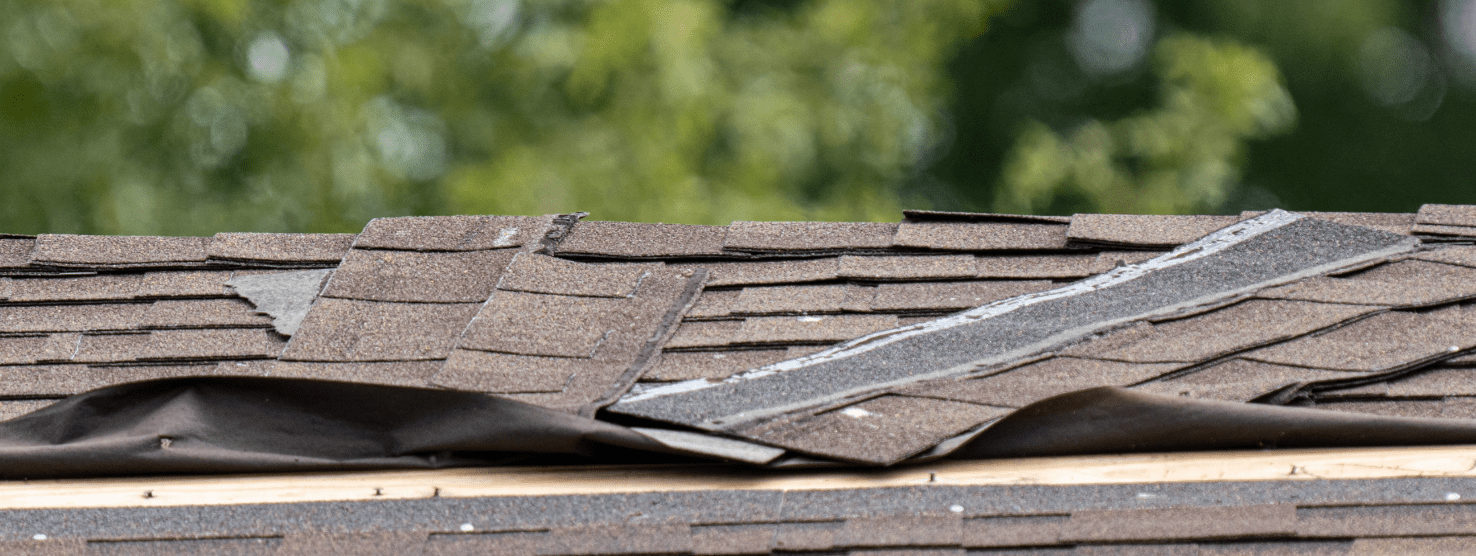
After major storms roll through Ontario, many homeowners suddenly find themselves dealing with missing shingles, leaks, fallen branches, and unexpected roofing damage. Unfortunately, storm season also brings another problem: roofing scams.
At Dial 1, we regularly hear from homeowners who were pressured into signing contracts, paying large deposits upfront, or accepting rushed repairs that caused even bigger issues later on.
Here are some of the most common roofing scams we see and how you can protect yourself before hiring a contractor.
1. The “Storm Chaser” Scam
This is one of the biggest scams in the roofing industry.
After a storm, out-of-town contractors often travel into affected areas looking for quick jobs. As a result they go door-to-door claiming they noticed damage on your roof and pressure homeowners into immediate repairs.
In many cases:
- They are not local
- They disappear after the job
- Their warranties are worthless
- The workmanship is poor or incomplete
How to Avoid It
- Work with an established local contractor
- Verify the business has a real website, reviews, and local presence
- Avoid anyone demanding same-day signatures
- Ask for proof of insurance and WSIB coverage
A legitimate roofing company understands that homeowners need time to review estimates and make informed decisions.
2. Large Upfront Deposit Requests
While some deposits are normal, be cautious if a contractor asks for a very large payment before materials arrive or work begins.
Scammers may collect deposits and disappear entirely or continually delay the project.
Red Flags
- Cash-only requests
- Pressure to pay immediately
- No written contract
- No material delivery date
What You Should Expect
A professional contractor should provide:
- A written quote
- Clear scope of work
- Payment schedule
- Warranty information
- Business contact details
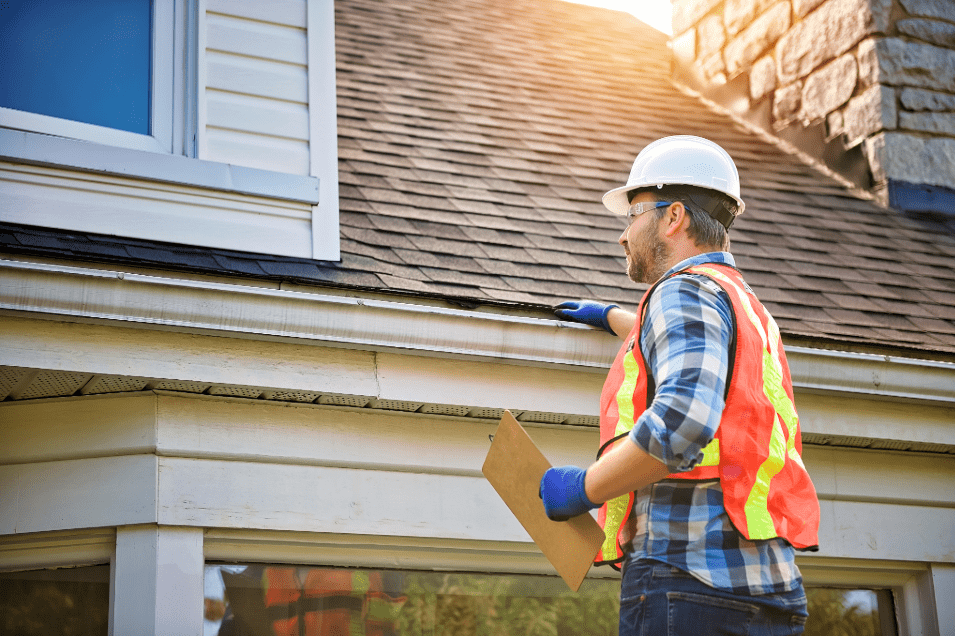
Granules in the gutter can sometimes be a sign that your shingles are starting to wear out.
3. Fake “Insurance Approved” Claims
Some contractors tell homeowners:
“Your insurance already approved everything.”
That is not how insurance claims work.
Only your insurance company can approve a claim. Roofing contractors can assist with documentation and inspections, but they cannot guarantee coverage or approval.
Protect Yourself By
- Speaking directly with your insurance adjuster
- Reviewing claim details yourself
- Avoiding contractors making unrealistic promises
If something sounds too easy, it usually is.
4. Extremely Low Quotes
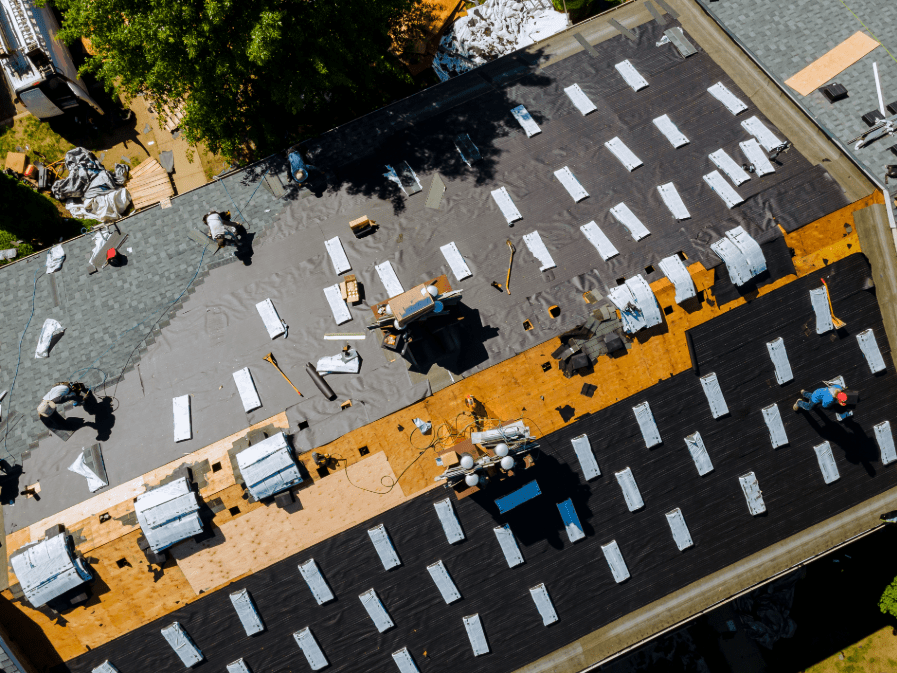
Everyone wants a fair price, but extremely cheap roofing quotes often lead to major problems later.
Some contractors lower prices by:
- Skipping underlayment
- Reusing old flashing
- Using low-quality shingles
- Hiring uninsured labour
- Ignoring ventilation requirements
The roof may look fine initially, but issues often appear within a few years.
A Good Roofing Quote Should Include
- Full tear-off details
- Ice & water shield information
- Ventilation upgrades if needed
- Cleanup and disposal
- Warranty coverage
- Material specifications
If a quote seems dramatically lower than others, ask why.
5. High-Pressure Sales Tactics
A trustworthy contractor educates homeowners. Scammers pressure them.
Be cautious if someone says:
- “This price is only good today”
- “You must sign immediately”
- “Your roof is dangerously unsafe” without evidence
- “We just happen to be working nearby”
These tactics are designed to rush decisions before homeowners can compare quotes or do research.
What To Do Instead
Take your time. Get multiple estimates. Ask questions.
A professional roofing company should never make you feel trapped into signing.
6. Poor or Nonexistent Warranty Coverage
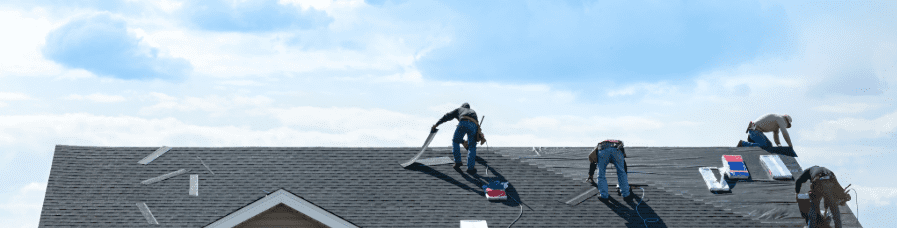
Some contractors advertise “lifetime warranties,” but the company disappears within a year or two.
A warranty only matters if the contractor is still around to honour it.
Before Hiring Anyone
Ask:
- What does the workmanship warranty cover?
- How long has the company been operating?
- Is the warranty in writing?
- Who handles issues after installation?
Local companies with established reputations are usually the safer long-term choice.
Final Thoughts
Roofing scams become much more common after storms when homeowners are stressed and trying to act quickly. The best protection is slowing down, asking questions, and working with a reputable local contractor.
A proper roofing company should provide clear communication, transparent pricing, written documentation, and quality workmanship without pressure tactics.
If you suspect storm damage or want an honest roof inspection, Dial 1 is here to help homeowners make informed decisions with straightforward advice and professional service.